The Refractive Monolith (Acrylic Prism Print)
Explore the optics of the Morrow & Stone Refractive Monolith. A technical study of 1-inch diamond-polished acrylic and the physics of 3D internal light refraction.
'MORROW & STONE
3 min read
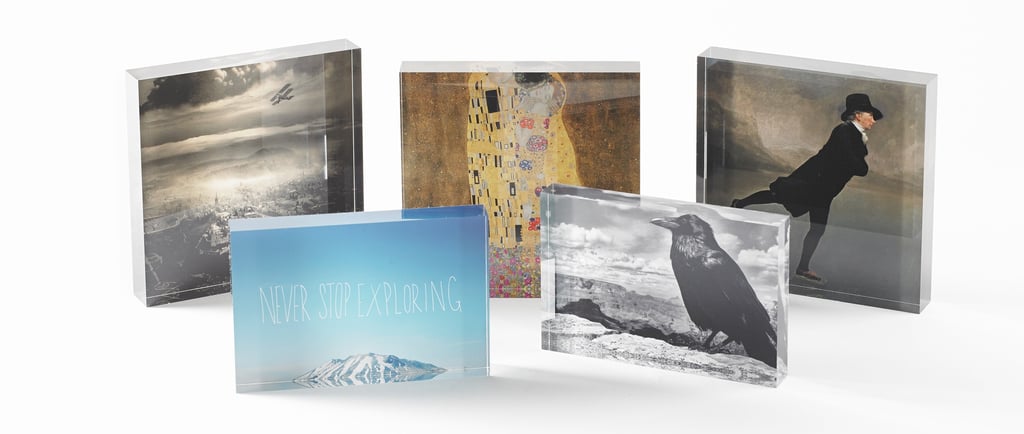
An Analysis of 3D Light Internalization and Diamond-Edge Optics
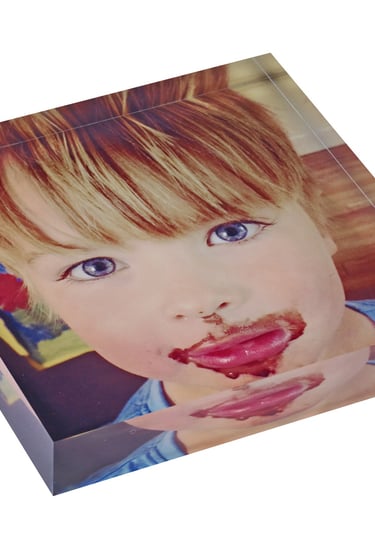
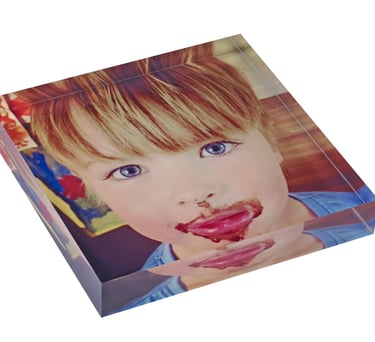
The Morrow & Stone Acrylic Prism is an exploration of depth, utilizing a full one-inch (25.4mm) block of optical-grade acrylic to create a three-dimensional immersive environment for your imagery. Unlike standard frames that sit flush against a wall, the Prism internalized light, using its substantial mass to refract and amplify the detail of the subject from every angle.
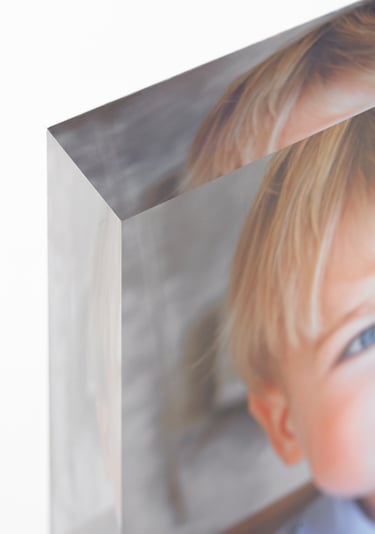
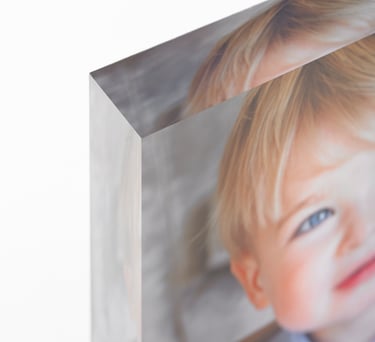
Diamond-Polished Optics: Each block is finished with industrial diamond-polishing, a mechanical process that results in a mirror-clear edge. This allows light to enter the block and reflect internally, creating a "3D glass effect" where the image appears to float in the center of a solid crystal.
The One-Inch Profile: The sheer thickness of the substrate serves as a physical lens. When viewed from the side, the image is refracted through the edges, creating a kaleidoscopic multiplication of the original work.
Technical Briefing: Back-Mounted vs. Transparent Background
When commissioning a Prism, the choice of backing defines how the object interacts with its environment. At Morrow & Stone, we offer two distinct technical configurations:
1. The Full Back-Mounted Print (Total Opacity)
In this configuration, the image covers the entire rear surface of the block. A solid white or black layer is applied behind the print, ensuring that no light passes through from the back.
The Result: The image has maximum "pop" and color saturation. It feels like a solid, heavy artifact. This is the preferred choice for high-detail photography where you want the colors to remain as vibrant as a Giclée print.
2. The Transparent Background (Optical Suspension)
In this configuration, the image is printed directly onto the rear surface, but the areas of the photo that are "white" or "empty" are left clear.
The Result: The image appears to be "etched" inside the glass. Light can pass through the unprinted areas of the block, allowing the color and texture of the surface behind the prism (like your Linear Mural wallpaper) to become part of the art.
Technical Note: Because the printer does not "print" white ink in this mode, any white areas in your original photo will appear transparent. This is ideal for minimalist logos, silhouettes, or art with clean, negative space.
Technical Specifications
Substrate: 1.0" (25.4mm) Optical-Grade Acrylic
Finishing: Precision Diamond-Polished Edges
Mounting: Freestanding Desktop Monolith
Dimensions: Available in Square and Rectangular Formats
Designer’s Tip: Selecting Your Optical Configuration
The Refractive Monolith is an architectural object that interacts with the light in your room. Choosing the correct backing is essential to the final aesthetic.
When to Choose Full Back-Mounted (Opaque):
This is the professional standard for High-Chroma Photography and Detailed Landscapes. Because the image is backed by an opaque layer, the pigments remain saturated and true to the original Giclée file. Use this for family portraits, travel vistas, or any image where you want the colors to "pop" against the 25.4mm crystal depth. It creates a solid, authoritative presence on a desk or mantle.When to Choose Transparent Background (Suspended):
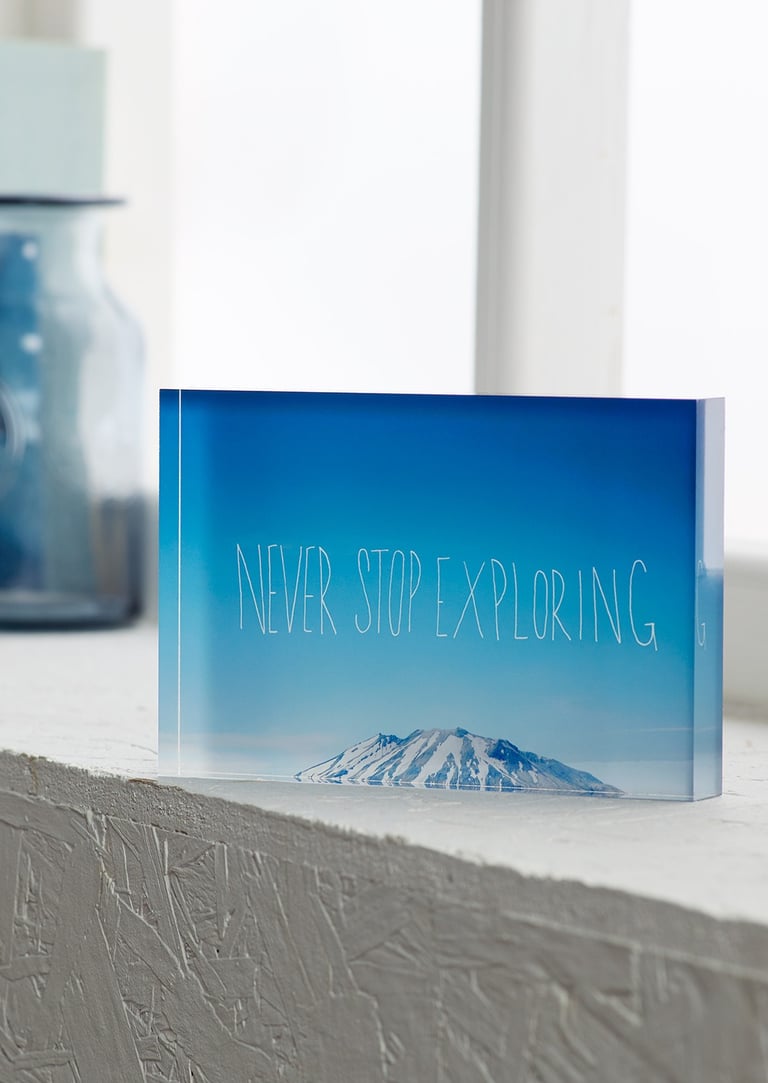
This configuration is a study in Negative Space. It is best suited for minimalist subjects: a single architectural silhouette, a botanical line drawing, or a high-contrast logo.The Light Factor: Because the "white" areas of your photo will be crystal clear, the Prism will "adopt" the color of the surface it sits upon. If placed in front of a window, the sunlight will illuminate the subject from behind, creating a glowing, ethereal effect.
The Constraint: Avoid busy backgrounds or low-contrast images for this option, as the transparency can "wash out" the detail. Choose an image with a clean, singular focal point to achieve a true "etched in glass" suspended look.
'MORROW & STONE
Archival Heirlooms for the Modern Legacy
© 2026 'MORROW & STONE. All Rights Reserved Substrates sourced from Prodigi
THE STUDIO
Our Philosophy
The Photoshop Protocol
Shipping & Logistics
Private Commissions
Terms of Provenance
THE COLLECTION
Giclée Fine Art
ChromaLuxe® Metal
Jacquard Textiles
Ferrous Steel
The Bound Archive
THE SAVOIR-FAIRE
Archival Pigment Infusion
Molecular Sublimation
Architecture in Fiber
Industrial Geometry
Monograph Engineering